
The problem
Before talking about an app, a site, or AI, I name the bottleneck that is costing time, money, or opportunity.
Strategy • Design • Technology • Artificial Intelligence
I help companies digitize processes, automate work, and create or evolve digital products — with or without an in-house development team. I personally lead the project, from defining the problem to delivering the solution.
Independent consulting in strategy and digital solution development.
No account team, no silent handoff. The same person diagnoses, designs, and ships.
Apps, platforms, and AI are the means — to unlock operations, cut rework, and create revenue.
Delivery is a system in use: code, access, docs, and a clear path to evolve.
Before talking about an app, a site, or AI, I name the bottleneck that is costing time, money, or opportunity.
Scope, experience, and architecture land together — so the company knows what will be built, by when, and why.
The solution goes to production, with the company’s code, people trained to use it, and a plan to evolve.
When it fits
The work fits best when the company already feels the problem in the day-to-day — a manual process, an outdated system, a product without direction, or the lack of a technical team.
The team consolidates data by hand, every area has its own version of the truth, and the error shows up when a client or finance team asks.
Critical work is scattered across email, WhatsApp, and spreadsheets. There is no single place to approve, track, and decide.
The opportunity is clear, but scope keeps moving, feasibility is a guess, and the risk is spending months on the wrong product.
The system is still essential, but it now blocks the operation: rework, expensive support, and an experience people avoid.
This is not a lab experiment. It is triage, support, documents, or a repetitive task that burns good people on bad work.
Hiring a whole department does not fit right now. What is missing is someone who owns delivery or supports the team you already have.
Proof of delivery
Real projects, with confidentiality when the client asks for it. Each case follows the same format: problem, solution, role, technologies, and result.
Sales built proposals in spreadsheets, argued price over email, and generated contracts elsewhere. Every seller had their own logic. Leadership only saw the deal once it was signed.
A web platform with a cost simulator, staged approval, PDF contracts, and a panel to follow the pipeline without a shadow spreadsheet.
The brand depended on a media middleman to talk to people who already bought. There was no club, catalog, or direct message on the phone — and repurchase was expensive.
A cross-platform app tied to the ERP: benefits, segmented push, a catalog, and a contact point the company owns.
The technical team spent the day answering the same procedure questions. Critical tickets waited behind repetitive ones.
An agent on the company’s knowledge base, connected to WhatsApp and the ticketing system, with a panel so a supervisor can review what the AI resolved.
The institutional site was slow, fragile on mobile, and unclear about what the firm actually solves — so every meeting started from zero.
A rewrite of the digital presence: a fast architecture, PT/EN, a qualification form, and a narrative that starts the meeting before the call.
The medium changes. The center is the company’s problem.
How the problem becomes delivery
Apps, platforms, sites, AI, and identity still belong in the work. Each area enters as the right instrument for the bottleneck the company already has — not as the main message.
Talk about a solutionHow to work with me
The model follows the company’s moment: an initial diagnosis, a fixed-scope project, cycle-based development, monthly evolution, or support for the team you already have.
A map of the problem, a cut of what is worth building now, a navigable prototype, and a plan with timeline and investment.
A solution with a beginning, middle, and end agreed up front. Right when the company already knows what needs to exist — a system, app, portal, or MVP.
Short deliveries with priorities revisited every cycle. Right when the product needs to move without freezing scope for months.
The system is already in use. I keep it stable, fix what operations flags, and open space for the next cut.
The company already has people. What is missing is a senior cut of architecture, product, or delivery to unblock what is stuck.
I name the real problem, align what success means for the business, and cut what does not need to exist now.
Method
I name the real problem, align what success means for the business, and cut what does not need to exist now.
Experience, architecture, and the delivery plan land in the same drawing — so complexity is not discovered halfway through.
The solution is built, validated with the people who will use it, and shipped with what the company needs to continue without depending on me in the dark.
About Cleber Reis
For more than 15 years I have been building technology and digital products. I help companies digitize processes, automate work, and create or evolve products — personally leading the project from defining the problem to delivery.
I work independently, with or without an in-house team beside me. From the first alignment to delivery, the conversation is direct.
“Technology only counts when the right problem reaches production in a way the company can actually use.”
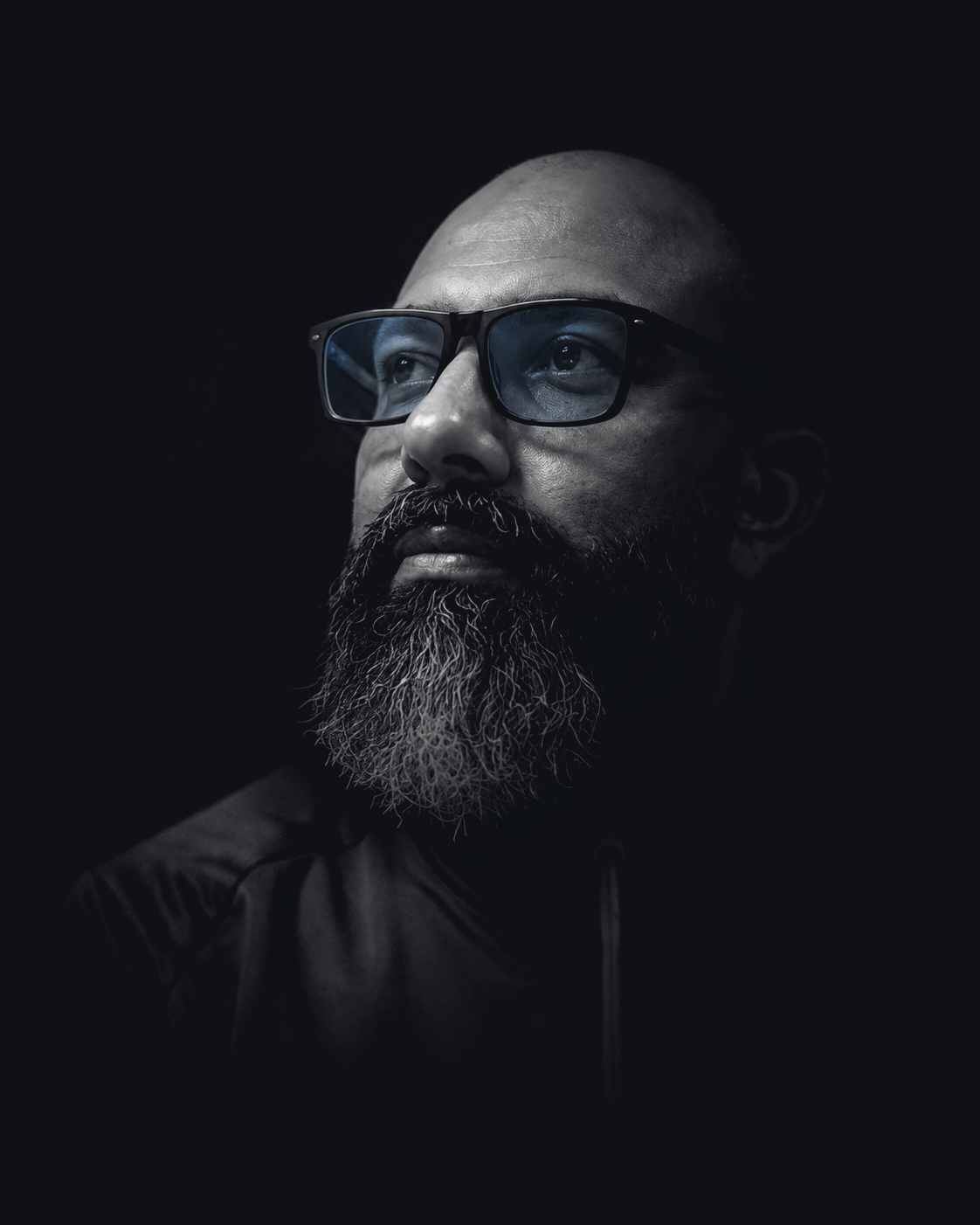
Cleber Reis Independent consultant • Strategy, product, and engineering
Context, constraint, and the financial goal enter before the first line of code.
An interface the team adopts — not a pretty screen nobody opens on a Tuesday morning.
Sober architecture, code that can be maintained, and choices the company can carry.
The solution is born ready for the next cut, without locking operations to me.
Why trust this
Project risk is not solved by a pitch. It is solved by a visible owner, agreed scope, and a delivery that stays with the company.
There is no sales layer and no silent handoff. Diagnosis, design, and code go through the same person.
You approve what will be built, in what timeframe, and at what cost. Budget surprises are not part of the format.
The repository, documentation, and credentials go out in your name. No opaque dependency on the consultant.
NDAs, sensitive data, and proprietary business rules enter the work without becoming a public case study.
First conversation with no commitment: you describe the bottleneck and get an initial read of the possible paths.
Tell me what needs solvingPart of the work sits under NDA. Client introductions and professional recommendations enter the first conversation, with permission.
Frequently asked questions
You describe the bottleneck — via WhatsApp, email, or the form. I return an initial read and, if it fits, a working format with a cut, a timeline, and an investment.
No. Most people arrive with a stuck process, an idea, or a system that cannot take any more. Structuring the problem is part of the work.
Initial diagnosis, a fixed-scope project, cycle-based development, monthly evolution after launch, and senior support for teams that already exist. A bank of hours is not the main model.
I do. Architecture, interface, and code go through the same leadership. If a point specialty enters, that is explicit — there is no invisible team behind the conversation.
Yes. If the tool is essential and already blocks the operation, the work can be diagnosis, redesign, and evolution of the foundation — without throwing away what still works.
In a real flow: triage, support, documents, or a repetitive task. No lab, no demo that does not talk to the company’s system.
We can close with a handoff, or continue in monthly evolution: fixes, usage improvements, and the next cut operations ask for.
Next step
You do not need a finished brief. An honest description of the problem is enough for the first read.